
A shoreline can look calm from a distance while countless forces shape it up close. Waves carry energy toward land, tides reveal and cover habitat, and wind redraws the water minute by minute. Learning to notice those patterns turns an ordinary beach walk into a richer view of the living coast.
The meeting place between ocean and land is always temporary. A falling tide exposes rippled sand and shallow pools, while the next incoming tide smooths many of those details away. Reading that movement begins with patience: pause at the edge, watch several waves arrive, and notice which parts of the beach remain wet after the water retreats.
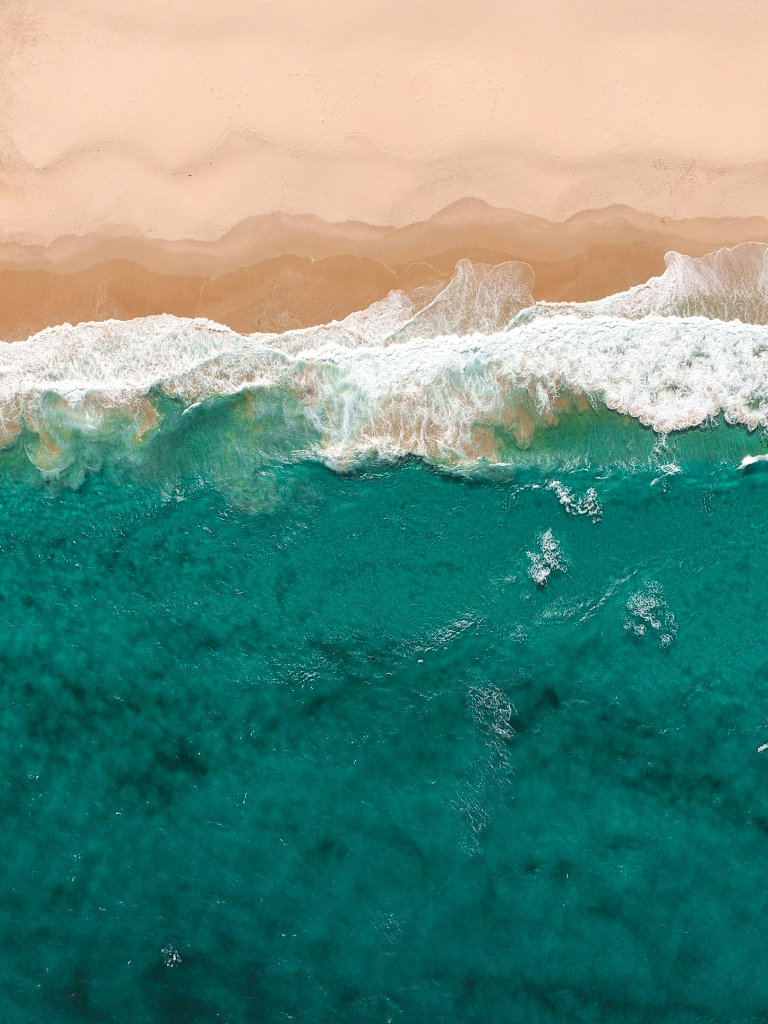
From above, waves appear as repeating bands of green, blue, and white. The broader view reveals sandbars, channels, and darker patches beneath the surface that are difficult to recognize from the waterline. It also shows how each wave meets the coast at a slightly different angle.
An aerial photograph can make the beach look untouched, but every shoreline supports overlapping habitats and human activity. Birds rest near the surf, small animals shelter beneath the sand, and swimmers move through the shallows. Observing those relationships helps place the beauty of the scene in context.
Whether viewing the coast from above or walking beside the water, approach it as a changing environment rather than a fixed backdrop. Keep a respectful distance from wildlife, follow local access guidance, and record what you notice without disturbing the details that made the place memorable.
Begin with the Tide
Check whether the tide is rising or falling before you explore. A low tide may expose tide pools and broad stretches of sand, while a rising tide can quickly narrow the safe walking area. Local tide information provides context, but the water in front of you should always guide your decisions.
What to Notice at the Shore
Pause for a few minutes before reaching for a camera or walking farther down the beach. The direction of the swell, the texture of the surface, and the activity of birds can reveal how conditions are changing.
- Swell direction
- Tide level
- Wind strength
- Water clarity
- Wildlife activity
- Watch where each wave begins to break along the shore.
- Notice how cloud cover changes the color of the water.
- Look for shells, seaweed, and patterns left by the last tide.
- Observe animals quietly without blocking their path.
- Record litter or other signs of human impact.
Pack for a Thoughtful Beach Day
A little preparation makes a coastal visit safer and more comfortable. Bring only what you can carry, protect yourself from changing weather, and leave room to take home anything that does not belong on the beach.
- Check the tide and weather forecast.
- Pack water and sun protection.
- Wear shoes suited to the shoreline.
- Bring a reusable bag for litter.
- Tell someone where you plan to explore.
- Start with a wide view of the beach and horizon.
- Note the time, tide, wind, and cloud cover.
- Identify one natural detail worth studying closely.
- Photograph wildlife from a respectful distance.
- Finish by leaving the shoreline cleaner than you found it.
Keep a Simple Shore Log
A short record makes it easier to compare one visit with another. Use consistent observations rather than precise scientific measurements, and let the log become a visual memory of how the coast changes through the season.
| Location | Tide | Wind | Water | Wildlife | Notes |
|---|---|---|---|---|---|
| North cove | Low | Light | Clear | Sandpipers | Wide beach |
| Rocky point | Rising | Steady | Choppy | Gulls | Foamy surf |
| South beach | High | Strong | Cloudy | Pelicans | Narrow shore |
| Tide pools | Falling | Calm | Still | Anemones | Exposed rocks |
| Dune walk | Mid | Breezy | Blue | Terns | Sea oats |
| Harbor edge | Rising | Light | Rippling | Small fish | Warm light |
| Weekly pattern | Varied | Changing | Dynamic | Active | Observe again |

Comments
I tried the tide log during an early beach walk, and it made me slow down enough to notice where the waves broke and how quickly the exposed sand changed. The checklist is a useful way to turn a familiar shoreline into a more thoughtful observation.
The reminder to photograph wildlife from a respectful distance is especially valuable. A quieter approach protects the animal and often produces a more natural image, which fits the spirit of observing the coast instead of interrupting it.