Reading the Water: A Field Guide to Waves, Tides, and Coastal Life
Reading the Coast: A Field Guide to Ocean Rhythms
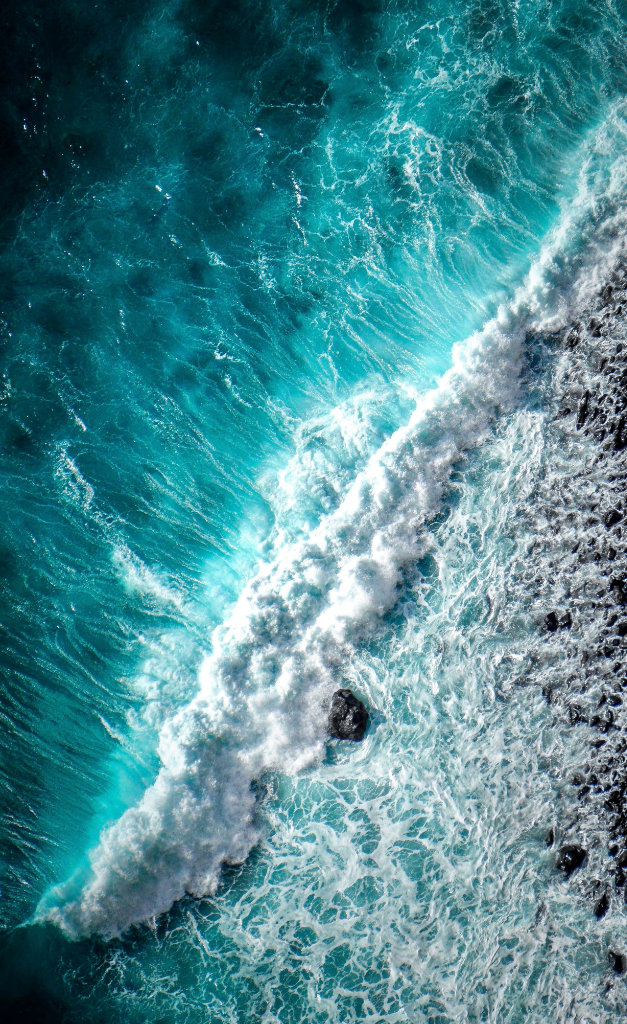
A shoreline can look calm from a distance while countless forces shape it up close. Waves carry energy toward land, tides reveal and cover habitat, and wind redraws the water minute by minute. Learning to notice those patterns turns an ordinary beach walk into a richer view of the living coast.
Begin with the Tide
Check whether the tide is rising or falling before you explore. A low tide may expose tide pools and broad stretches of sand, while a rising tide can quickly narrow the safe walking area. Local tide information provides context, but the water in front of you should always guide your decisions.
What to Notice at the Shore
Pause for a few minutes before reaching for a camera or walking farther down the beach. The direction of the swell, the texture of the surface, and the activity of birds can reveal how conditions are changing.
- Swell direction
- Tide level
- Wind strength
- Water clarity
- Wildlife activity
- Watch where each wave begins to break along the shore.
- Notice how cloud cover changes the color of the water.
- Look for shells, seaweed, and patterns left by the last tide.
- Observe animals quietly without blocking their path.
- Record litter or other signs of human impact.
Pack for a Thoughtful Beach Day
A little preparation makes a coastal visit safer and more comfortable. Bring only what you can carry, protect yourself from changing weather, and leave room to take home anything that does not belong on the beach.
- Check the tide and weather forecast.
- Pack water and sun protection.
- Wear shoes suited to the shoreline.
- Bring a reusable bag for litter.
- Tell someone where you plan to explore.
- Start with a wide view of the beach and horizon.
- Note the time, tide, wind, and cloud cover.
- Identify one natural detail worth studying closely.
- Photograph wildlife from a respectful distance.
- Finish by leaving the shoreline cleaner than you found it.
Keep a Simple Shore Log
A short record makes it easier to compare one visit with another. Use consistent observations rather than precise scientific measurements, and let the log become a visual memory of how the coast changes through the season.
| Location | Tide | Wind | Water | Wildlife | Notes |
|---|---|---|---|---|---|
| North cove | Low | Light | Clear | Sandpipers | Wide beach |
| Rocky point | Rising | Steady | Choppy | Gulls | Foamy surf |
| South beach | High | Strong | Cloudy | Pelicans | Narrow shore |
| Tide pools | Falling | Calm | Still | Anemones | Exposed rocks |
| Dune walk | Mid | Breezy | Blue | Terns | Sea oats |
| Harbor edge | Rising | Light | Rippling | Small fish | Warm light |
| Weekly pattern | Varied | Changing | Dynamic | Active | Observe again |
Leave the Coast Better Than You Found It
Carry out every item you bring, avoid walking across fragile dunes, and resist taking shells that may still shelter living animals. Small choices protect the character of the coast for wildlife and future visitors.
The shoreline is never the same place twice; every tide redraws its edge.
Photograph Wildlife with Care
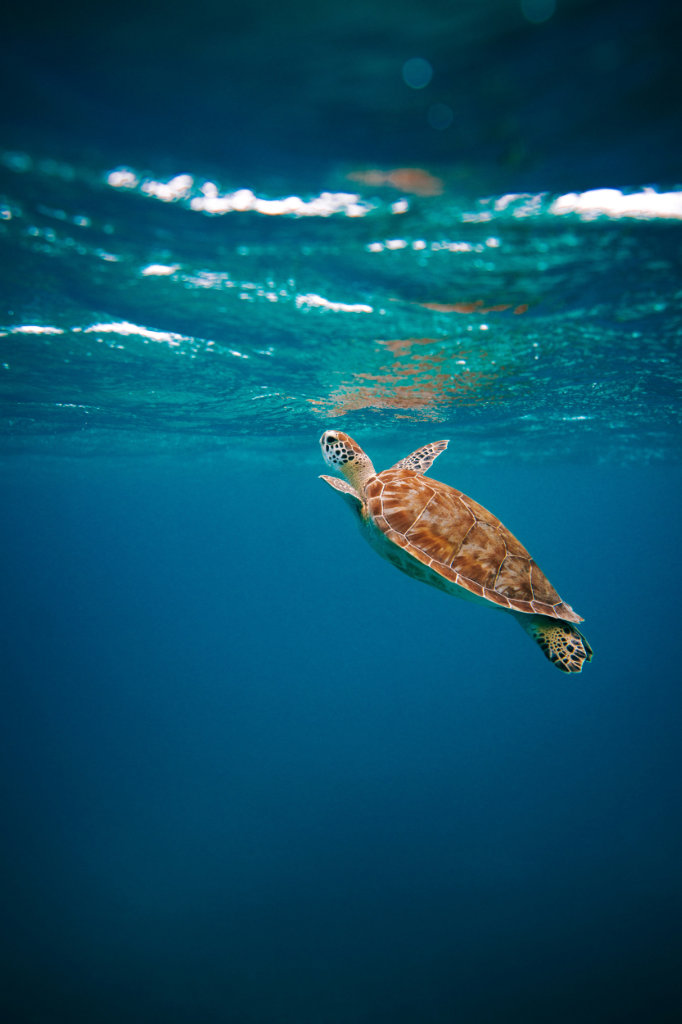
Use distance and patience instead of approaching an animal for a closer frame. Avoid flash around sensitive wildlife, keep clear of nests and resting areas, and let every creature choose whether to remain in view.
An accurate alt description identifies the subject and the details that matter in the photograph without adding information the image cannot support.

<figure class="image">
	<img src="../ocean/gatis-marcinkevics-a5uptAdUmjE-unsplash.jpg" alt="Aerial view of a turquoise wave breaking over a rocky shoreline" />
</figure>

pre {
	white-space: nowrap;
	background-color: #f8f8f8;
	padding: 2rem;
	border-radius: 10px;
	overflow-x: scroll;
}

hr {
	margin: 2rem 0;
	border: none;
	border-bottom: 5px dotted #eaeaea;
}
Small Details Tell the Ocean’s Story
A coastal notebook can begin with one simple observation:
the wind shifted as the tide began to rise
. Record water temperature as
sea
data, then define a
swell as a group of waves generated far from shore
. Let the variable
h
.
High tide at 6:42 p.m.
is worth highlighting. Always give priority to
safe access, changing water, and respectful wildlife viewing
along the shore.
Observation saved successfully
can confirm a digital entry, while
The Ocean Journal
.
NOAA
provides useful coastal information. A wave measured at 2 m
2
still requires local context. Press
T
to open the tide log, and use
calm, rising, or rough
to describe conditions.
Measurements shown here are portfolio examples.
For more context, visit the
coastal observation guide
and compare your notes over time. This entry was recorded on
during a calm morning tide.
- Swell
- A series of waves that has traveled beyond the weather system that formed it.
- Tide
- The regular rise and fall of sea level caused primarily by the moon and sun.
- Local coastlines, winds, and weather can influence the height and timing people observe.
- Shoreline
- The changing boundary where land and a body of water meet.
- Sand, rock, plants, waves, and human structures can all shape its appearance.
- Because the tide moves, the visible shoreline is never a completely fixed line.

Comments
I tried the tide log during an early beach walk, and it made me slow down enough to notice where the waves broke and how quickly the exposed sand changed. The checklist is a useful way to turn a familiar shoreline into a more thoughtful observation.
The reminder to photograph wildlife from a respectful distance is especially valuable. A quieter approach protects the animal and often produces a more natural image, which fits the spirit of observing the coast instead of interrupting it.